

What Industries Use PP Webbing?
What Industries Use PP Webbing?
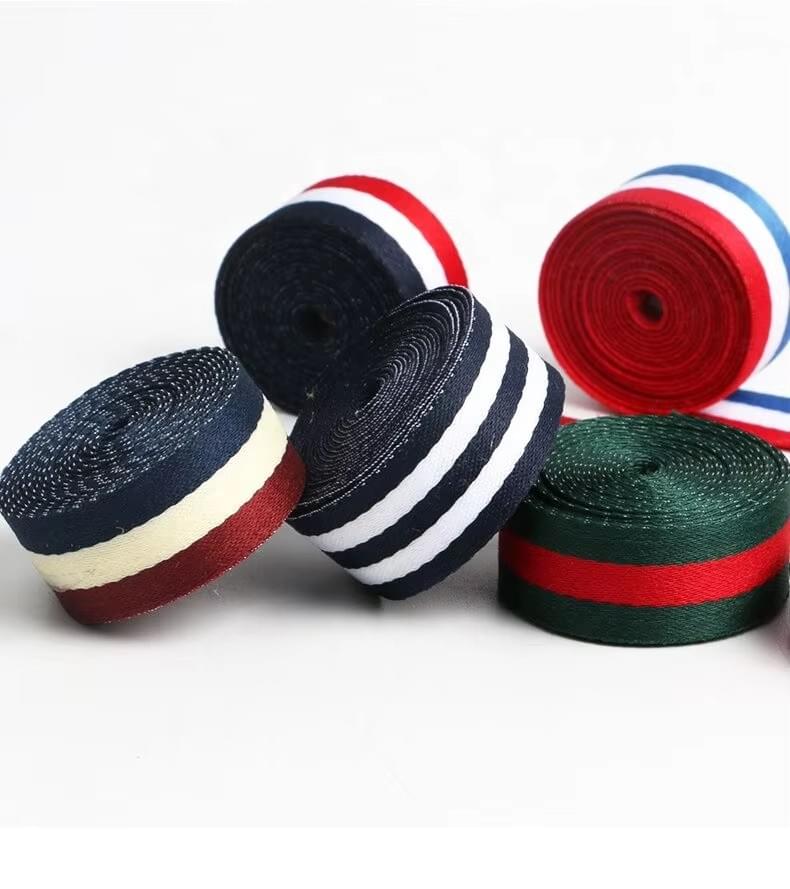
PP webbing, also known as polypropylene webbing, is woven from PP yarn. Thanks to its lightweight property, acid & alkali resistance and cost advantage, it is widely adopted across many industries.
- Logistics & Packaging Industry It is the most common application field. PP webbing is widely used for cargo strapping, container fixing belts, sling tapes for FIBC bulk bags and woven bag edging. Its light weight helps cut logistics cost. It is moisture-resistant and mildew-proof during storage and ocean shipment.
- Outdoor & Leisure Products Used for tent straps, backpack webbing, luggage binding and camping gear fasteners.
Note: Standard PP webbing has poor UV resistance. For long-time outdoor exposure, UV-stabilized PP webbing is required to avoid aging. - Aquaculture Industry Resistant to seawater corrosion and water absorption. It is used for fishing cage binding, aquaculture net ropes, suitable for salty and wet marine environments.
- Industrial Binding For light-duty cargo bundling and equipment fixing in factories.
⚠️ Important reminder: Ordinary PP webbing is NOT for heavy lifting. Polyester webbing is recommended for heavy load hoisting. - Furniture IndustryInternal fixing straps for sofas and mattresses, packaging bands for finished furniture.
- Garment, Shoe & Luggage Accessories Backpack shoulder straps, handbag trims and belt accessories. Limited color range because of its difficulty in dyeing.
- Landscaping & Sanitation Tree binding straps, waste bag edging for greening and sanitation projects. It is economical for short-term use.
Summary
Pros of PP webbing: lightweight, acid & alkali resistant, moisture-proof and low cost.Cons: weak UV resistance and limited color options.
Choose UV stabilized grade if products will be exposed under sunlight for long periods.